Understanding Premium Metal Roofing Systems
When it comes to roofing options today, premium metal roofing systems stand out for their combination of aesthetic appeal, durability, and sustainability. These advanced roofing solutions have gained significant popularity in recent years due to their ability to withstand severe weather conditions, their longevity, and their energy-efficient properties. As homeowners increasingly seek materials that offer both protection and style, metal roofing systems are at the forefront of the industry.
What Makes Metal Roofing Premium?
Premium metal roofing systems are distinguished by their superior materials, innovative designs, and advanced manufacturing processes. Unlike standard metal roofing, premium options typically utilize high-quality steel or aluminum, which helps to enhance durability and performance. These systems also feature advanced coatings that protect against rust, corrosion, and UV damage, leading to a longer lifespan compared to traditional roofing materials.
Another characteristic that sets premium metal roofing apart is the variety of styles and finishes available, allowing homeowners to select a look that complements their architectural style. Options such as standing seam, metal shingles, and tile designs offer aesthetic versatility while still delivering the benefits of metal roofing.
Benefits of Choosing Metal Over Traditional Roofing
- Longevity: Metal roofs can last 50 years or more with minimal maintenance, far outlasting traditional asphalt shingles, which typically require replacement every 15-20 years.
- Durability: These roofs are highly resistant to wind, hail, and fire, providing superior protection for homes in extreme weather conditions.
- Energy Efficiency: Metal roofing reflects solar heat, which can lead to reduced cooling costs during hot months. Some metal roofs also come with energy-efficient coatings that further enhance performance.
- Environmental Impact: Many metal roofing options are made from recycled materials and are themselves recyclable at the end of their lifespan, making them a more sustainable choice.
Common Myths About Metal Roofing Systems
Despite their advantages, several myths persist regarding metal roofing. One common misconception is that metal roofs are noisy during rainstorms or hail. In reality, when properly installed with insulation and solid sheathing, metal roofs can be quieter than other materials. Another myth is that metal roofs attract lightning; however, metal roofing is no more prone to lightning strikes than any other roofing type and is, in fact, safer due to its non-combustibility.
Types of Premium Metal Roofing Systems
Exploring different types of premium metal roofing systems can help homeowners decide which option best suits their needs and preferences.
Exploring Different Styles: Standing Seam and Tiles
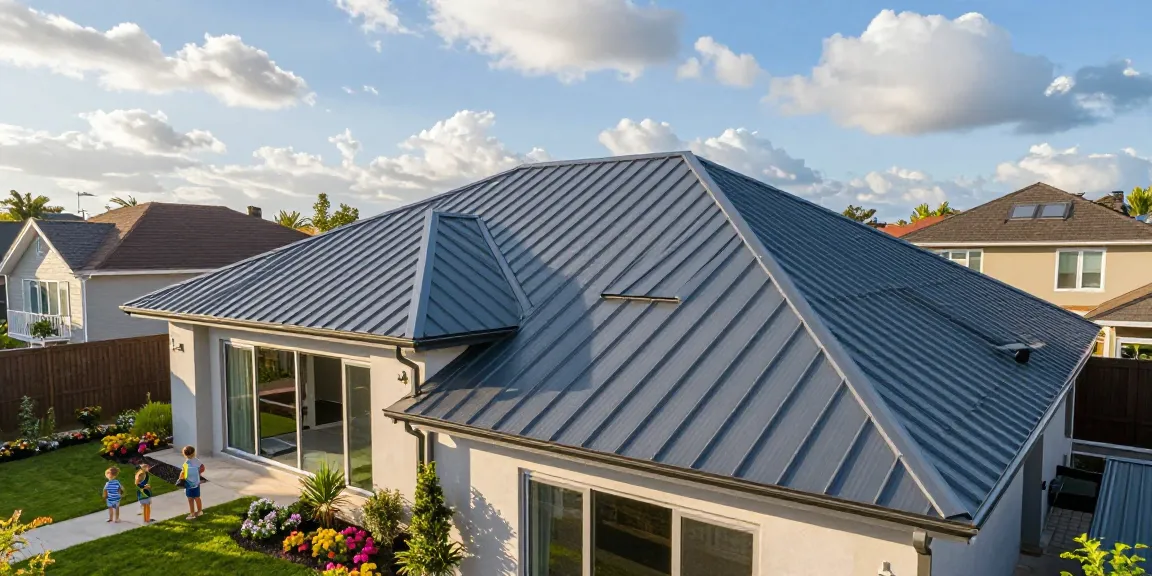
Standing seam metal roofing is characterized by vertical panels with interlocking seams that rise above the panel’s surface. This design not only enhances waterproofing but also provides a sleek, modern look. On the other hand, metal tiles are available in various styles and can mimic traditional roofing materials, such as slate or clay tiles, while offering the benefits of metal.
Comparing Materials: Steel vs. Aluminum
When it comes to selecting materials for premium metal roofing systems, steel and aluminum are the most popular options. Steel is known for its strength and durability, making it an excellent choice for areas prone to high winds and severe weather. Aluminum is lightweight and resistant to corrosion, making it ideal for coastal regions. Both materials, when coated appropriately, can offer exceptional longevity and performance.
Innovative Features in Modern Metal Roofing
Modern metal roofing systems now feature innovations that further enhance their appeal. For instance, some manufacturers offer energy-efficient coatings that reflect solar energy, reducing heating and cooling bills. Additionally, advancements in manufacturing have led to increased customization options in colors and finishes, allowing homeowners to tailor their roofs to match their design visions.
Cost Considerations for Metal Roofing Systems
Understanding the financial aspects of premium metal roofing systems is crucial for homeowners contemplating an upgrade.
Initial Investment: What to Expect?
While the initial cost of premium metal roofing can be higher than traditional roofing materials, it’s essential to consider the long-term savings they offer. On average, installing metal roofing may range from $5 to $12 per square foot, depending on the material and style chosen. However, the durability and reduced maintenance costs often offset this initial investment over time.
Long-Term Savings and Return on Investment
Homeowners frequently cite the long-term savings associated with metal roofing as one of the most compelling reasons to invest. The longevity of metal roofs means they do not need to be replaced as often, and their energy efficiency leads to lower utility bills. Furthermore, homes with metal roofs can see a higher resale value, as buyers are increasingly attracted to sustainable and durable building materials.
Understanding Maintenance Costs
Another significant advantage of metal roofing is its low maintenance requirement. Periodic inspections and minor repairs are typically all that’s needed to keep a metal roof in optimal condition. Unlike asphalt shingles, which may require regular cleaning and replacement, metal roofs are less prone to problems such as algae growth or mold, further minimizing maintenance costs over the roof’s lifespan.
Installation Process for Premium Metal Roofing Systems
The installation of premium metal roofing systems is a critical aspect that can impact their performance and longevity.
Choosing the Right Installer: What to Look For
When selecting a contractor for metal roof installation, it’s important to choose someone with experience specifically in metal roofing. Asking potential contractors about their qualifications, references, and portfolios can help ensure you find a skilled professional who can deliver high-quality workmanship.
Steps in the Installation Process Explained
Typically, the installation process involves several key steps, including:
- Removing the existing roof (if applicable)
- Inspecting and repairing the underlying structure
- Installing underlayment to provide an additional moisture barrier
- Positioning the metal panels and securing them with appropriate fasteners
- Installing flashing and trim to ensure watertight seals at edges and penetrations
Post-Installation Care and Best Practices
After your metal roof is installed, maintaining it becomes paramount. Regular inspections, particularly after severe weather, can help identify potential issues before they become significant problems. Keeping gutters clean and ensuring the roof surface remains free from debris will also contribute to the longevity of your roof.
Future Trends in Metal Roofing for 2026 and Beyond
As technology advances, the world of metal roofing continues to evolve, bringing exciting innovations that enhance both performance and aesthetic appeal.
Emerging Technologies in Metal Roofing
Emerging technologies include improved manufacturing processes that create lighter yet more durable materials. Innovations such as integrated solar technology are also gaining traction, allowing homeowners to harness renewable energy directly from their roofs.
Eco-Friendly Options: Sustainability in Metal Systems
The trend toward sustainability is influencing the metal roofing industry, with manufacturers increasingly offering products created from recycled materials. These eco-friendly options resonate with environmentally conscious homeowners looking to reduce their carbon footprint.
Forecasting Market Demand and Consumer Preferences
As awareness of environmental issues increases, the demand for premium metal roofing systems is expected to grow. Homeowners are looking for materials that not only provide durability and energy efficiency but also contribute to a sustainable future. This shift will likely drive further innovations in design and material technology.
What Are the Expected Lifespans of Metal Roofing Systems?
Metal roofing systems often come with warranties ranging from 25 years to a lifetime, depending on the material and finish. Many homeowners find that with proper maintenance, these roofs can exceed their expected lifespans significantly.
Can Premium Metal Roofing Systems Stand Up Against Severe Weather?
One of the standout features of premium metal roofing is its resilience against extreme weather. These roofs can withstand winds exceeding 140 mph, making them ideal for hurricane-prone areas. Furthermore, metal roofing is non-combustible, providing an additional layer of protection in fire-prone regions.
Is It Worth Upgrading to Metal Roofing Systems?
The decision to upgrade to metal roofing systems often hinges on long-term benefits versus initial costs. For many homeowners, the advantages of durability, lower maintenance, energy efficiency, and potential increase in home value make investing in premium metal roofing systems a wise choice.