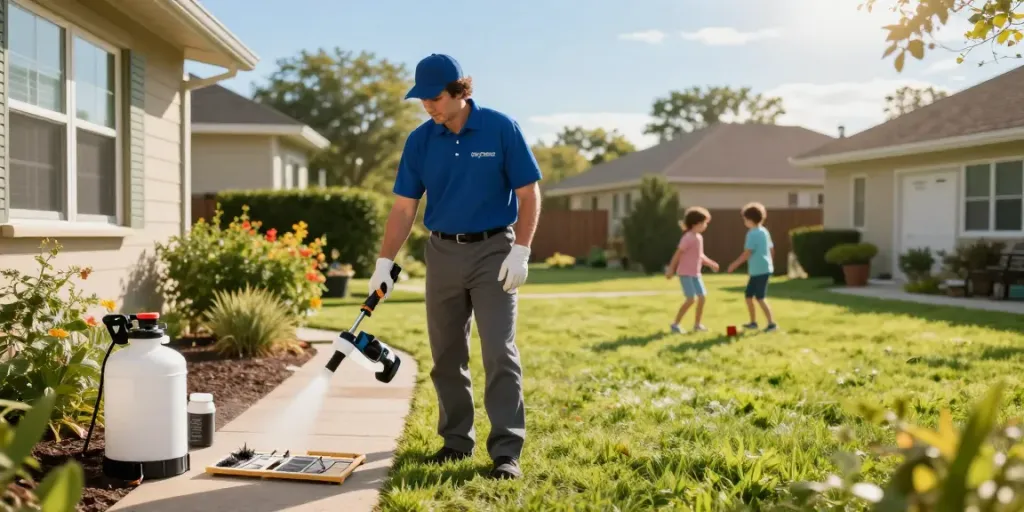
Understanding the Basics of Pest Control
Pest control is an essential aspect of maintaining a healthy and safe environment, whether at home or in commercial spaces. With a wide variety of pests threatening our livelihood, it becomes crucial to employ effective management strategies. Understanding the fundamentals of pest control enables homeowners and businesses alike to make informed decisions. When exploring options, Pest control services offer comprehensive insights into managing these nuisances effectively.
What is Pest Control?
Pest control refers to the regulation or management of a species defined as a pest, impacting human activities adversely. This includes a diverse range of organisms such as insects, rodents, weeds, and fungi. The goal is to minimize their impact on human health, property, and the environment.
The Importance of Pest Management
Effective pest management is critical for several reasons:
- Health Risks: Many pests, including rodents and insects, can transmit diseases to humans and pets.
- Property Damage: Termites and rodents can cause significant structural damage to buildings.
- Aesthetic and Comfort Issues: Pests can create an uncomfortable living environment, leading to stress and dissatisfaction.
Pest Control Techniques: An Overview
There are various techniques utilized in controlling pests, ranging from chemical treatments to more eco-friendly options. Each method caters to specific types of pests and environments, ensuring that control measures are both effective and appropriate.
Common Pests and Their Impact
Identifying Common Household Pests
Household pests can be broadly categorized into insects, rodents, and wildlife. Common examples include:
- Ants: Often invade kitchens and pantries, searching for food.
- Bed Bugs: Can cause sleepless nights due to their bites.
- Rodents: Mice and rats can contaminate food and spread diseases.
- Termites: Known for their ability to devastate wooden structures.
The Economic and Health Risks Posed by Pests
Pest infestations can lead to significant economic losses due to damage repairs and medical expenses from diseases transmitted by pests. For instance, according to the National Pest Management Association (NPMA), termites cause over $5 billion in damages annually in the United States alone. Furthermore, pests like cockroaches and mosquitoes are known carriers of various diseases, posing severe health risks.
How to Assess Pest Infestations
Identifying a pest problem early can save homeowners thousands. Key signs of infestations include:
- Presence of droppings or urine spots
- Damage to structures or belongings
- Unusual smells, often indicating dead pests or nest presence
- Visible pests themselves
Choosing the Right Pest Control Service
Evaluating Local Pest Control Companies
Choosing a pest control service involves thorough research. Homeowners should evaluate local providers based on their certifications, years of experience, and customer reviews. It's important to select companies that employ environmentally safe practices and offer guarantees on their services.
Factors to Consider When Choosing Services
When selecting a pest control service, consider the following factors:
- Licensing and Insurance: Ensure the company is licensed and insured to operate within your area.
- Service Offerings: Different companies may specialize in different pest types.
- Reputation: Look for reviews on platforms like Yelp or Google to gauge customer satisfaction.
Reading Reviews and Testimonials
Customer feedback can provide invaluable insights into the effectiveness and reliability of a pest control service. Pay attention to recurring themes in reviews, both positive and negative, to make a well-informed decision.
Effective DIY Pest Control Methods
Choosing Eco-Friendly Pest Control Solutions
As awareness of environmental issues grows, many homeowners are seeking eco-friendly pest control solutions. Natural repellents such as diatomaceous earth, essential oils, and vinegar can be effective for managing common pests without harsh chemicals.
Step-by-Step Guide to DIY Pest Control
For those who wish to tackle pest issues themselves, here are the general steps to follow:
- Identify: Determine the type of pest and extent of the infestation.
- Research: Look for effective, safe methods tailored to the identified pest.
- Implement: Apply your chosen solution according to guidelines.
- Monitor: Keep an eye on the situation to ensure effectiveness and make adjustments as needed.
Common Mistakes to Avoid in DIY Pest Control
While DIY pest control can be effective, common pitfalls can undermine efforts:
- Using incorrect methods for the specific pest.
- Failing to follow safety precautions.
- Neglecting to consider environmental impact.
Future Trends in Pest Control for 2026 and Beyond
The Role of Technology in Pest Management
The future of pest control is heavily influenced by advancements in technology. Innovations such as smart traps, drones for monitoring infestations, and AI-powered identification systems are streamlining pest management processes, making them more effective and efficient.
Emerging Eco-Friendly Solutions in the Industry
With sustainability at the forefront of many industries, eco-friendly pest control solutions are on the rise. Companies are investing in developing organic pesticides and biological control methods that minimize environmental impact while effectively managing pest populations.
Predictions for the Future of Pest Control Services
Experts predict that pest control will increasingly integrate technology and environmentally sustainable practices. Companies that adapt to these changes will likely see greater customer satisfaction and retention, positioning themselves favorably in a competitive market.
What are the benefits of professional pest control services?
Professional pest control services provide expertise, efficiency, and guaranteed satisfaction. Trained technicians are equipped to handle pest issues safely and effectively, preventing infestations that would be more challenging for homeowners to manage alone.
How can I prevent pests in my home?
Preventive measures, such as sealing entry points, maintaining cleanliness, and managing moisture levels, are crucial in keeping pests at bay. Regularly inspecting your property can also help detect issues before they become major infestations.
What should I do if I suspect a pest infestation?
If you suspect a pest infestation, it's essential to act quickly. Identify the pest and assess the extent of the problem. If the infestation is beyond your control, consider contacting a professional pest control service to address the issue effectively.
Are there natural alternatives to chemical pest control?
Yes, there are numerous natural alternatives available for pest control. These include using essential oils, soap solutions, or introducing beneficial insects that prey on harmful pests. Such methods can be less harmful to the environment while still providing effective pest management.
How often should I schedule pest control services?
The frequency of pest control services depends on various factors, including the type of pest and the level of infestation. For preventive measures, many experts recommend scheduling services at least quarterly.