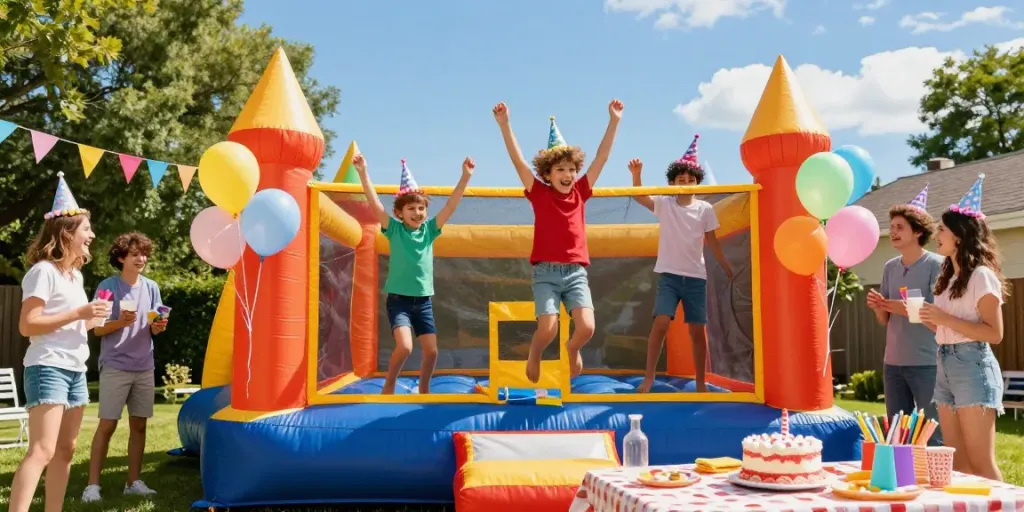
What is a Bounce House?
A bounce house, often referred to as an inflatable castle or bouncy castle, is a large inflatable structure designed for children and adults to jump, play, and have fun. These entertaining installations are frequently seen at birthday parties, community events, and family gatherings, providing an energetic and safe environment for physical activity. With bright colors and various themes, bounce houses can easily capture the imagination of kids, making them a popular attraction. When exploring options, bounce house offerings range widely in terms of size, style, and features, catering to diverse preferences and requirements.
History and Evolution of Bounce Houses
The concept of inflatable structures can be traced back to the 1960s when a man named John Scurlock invented the first inflatable for his backyard. This early version was not designed specifically as a bounce house but rather as a novelty that sparked the idea of inflatable play areas. As technology advanced, materials became more durable and safety standards improved, leading to the development of specialized bounce houses. By the 1980s, bounce houses began to be commercialized, with companies offering party rentals, making it easier for families to enjoy inflatables at various events.
Types of Bounce Houses Available
Today, bounce houses come in a variety of types and designs, catering to different age groups and themes. Here are some common types:
- Traditional Bounce Houses: Simply designed for jumping, these are versatile and often feature colorful graphics.
- Combo Units: These include slides or obstacle courses, providing more interactive play options.
- Water Bounce Houses: Perfect for hot days, these include water slides and splash areas.
- Theme-Based Bounce Houses: From princess castles to superhero designs, these attract kids who want to enjoy themed experiences.
How Bounce Houses Work: Safety and Mechanics
Bounce houses function through air-filled chambers that maintain their shape and provide cushioning for jumpers. Air is continuously blown into the structure using a heavy-duty blower, which keeps it inflated. Safety features such as reinforced seams, safety nets, and weighted anchor points are essential to prevent accidents. To enjoy a safe bouncing experience, both operators and users must understand these mechanics and take necessary precautions.
Choosing the Right Bounce House for Your Event
When planning an event, selecting the right bounce house is crucial for ensuring fun and safety. There are several factors to consider to ensure you make the best choice for your gathering.
Factors to Consider When Renting a Bounce House
- Space Availability: Ensure that you have enough outdoor or indoor space for the bounce house, considering dimensions and height clearance.
- Age Appropriateness: Choose a bounce house that is suitable for the age group of your guests. Some inflatables are designed specifically for toddlers, while others cater to older children.
- Rental Duration: Consider how long you’ll need the bounce house. Most companies offer flexible rental periods.
- Weather Considerations: If the event is outdoors, have a backup plan in case of inclement weather.
Popular Bounce House Themes and Designs
Enhancing the excitement of your event can be achieved by selecting a bounce house with a theme. Some popular designs include:
- Princess Castles: Perfect for little girls dreaming of royal adventures.
- Superhero Themes: Engaging for boys and girls alike who want to save the day.
- Sports Themes: Designed for kids who love activities like soccer or basketball.
- Under the Sea: Featuring ocean creatures and aquatic elements, which are always a favorite among children.
Pricing and Rental Options in 2026
The cost to rent a bounce house varies based on size, type, and location. On average, rentals can range from $150 to $300 for a standard unit for a day, while larger or themed inflatables may cost more. Always inquire about additional fees, such as delivery or setup costs. For 2026, expect rental companies to offer package deals that may include other party essentials such as tables, chairs, and concessions.
Safety First: Ensuring a Safe Bounce House Experience
Safety should be a priority when using a bounce house. Understanding and adhering to safety guidelines can prevent accidents and injuries.
Common Safety Guidelines to Follow
- Supervision: Always have an adult supervising children while they use the bounce house.
- Limit Capacity: Follow the posted weight and capacity limits to avoid overloading.
- Age Restrictions: Keep younger children separate from older ones to prevent injuries.
- Remove Shoes and Accessories: Ensure everyone removes shoes, glasses, and sharp objects before entering.
What to Check Before Use
Before allowing children to jump, take a moment to inspect the bounce house for safety:
- Check for any visible signs of damage or wear and tear.
- Ensure that all seams are intact and the inflatable is properly inflated.
- Verify that the inflatable is securely anchored to the ground.
Emergency Preparedness and First Aid Tips
Prepare for emergencies by having a first aid kit nearby. It's also wise to familiarize yourself with basic first aid procedures, such as how to treat minor injuries like scrapes or sprains. Establishing rules for safe play, like no flips or roughhousing, can mitigate risks.
How to Set Up and Maintain a Bounce House
Setting up a bounce house may seem straightforward, but proper procedures can ensure safety and longevity.
Step-by-Step Setup Instructions
- Select a flat, level surface away from obstacles, including trees and power lines.
- Unroll the bounce house and ensure there are no sharp objects underneath.
- Connect the blower to the bounce house and secure all entryways before turning it on.
- Anchor the structure using stakes or weights to prevent tipping.
Proper Maintenance During Events
While in use, keep an eye on the inflatable. Regularly check for deflation, and monitor user behavior to ensure that safety guidelines are being followed. Consider assigning a staff member to oversee the bounce house during peak usage times.
Post-Event Cleanup and Storage Tips
After the event, clean the bounce house and allow it to dry completely before deflating. This prevents mold and mildew. Store it in a cool, dry place to ensure the inflatable remains in good condition for future use.
Future Trends in Bounce Houses
The bounce house industry is continually evolving, embracing new technologies and trends that enhance user experience.
Innovative Features to Look for in 2026
Bounce houses in 2026 may incorporate new tech features such as integrated sound systems for music and voice commands for safety announcements. Additionally, interactive games and challenges that promote physical activity and engagement are becoming more common.
Sustainability Practices in Bounce House Manufacturing
As environmental consciousness grows, manufacturers are expected to adopt sustainable practices, such as using eco-friendly materials and recycling processes in their production. These practices not only benefit the planet but can also appeal to eco-conscious consumers.
Virtual Reality and Augmented Experiences in Bounce Houses
Expect the integration of virtual reality (VR) and augmented reality (AR) technologies within bounce houses, providing an immersive and interactive experience. This innovation will attract tech-savvy families looking for unique entertainment options.
How Long Can a Bounce House Last?
The lifespan of a bounce house largely depends on material quality and maintenance. A well-cared-for bounce house can last anywhere from 5 to 10 years, making it a worthwhile investment for event planners and families who frequently rent or own one.
Tips for Choosing the Best Bounce House Rental Service
When selecting a rental service, consider the following:
- Check for licenses and insurance to ensure reliability and safety.
- Read reviews and ask for recommendations from friends or social media.
- Inquire about the condition of the inflatables and their cleaning protocols.
What Safety Measures Should One Take with a Bounce House?
Implementing safety measures includes regular inspections of the equipment, enforcing play rules, and continuously supervising participants. Prioritize hiring from reputable rental companies that adhere to safety standards.
Are Bounce Houses Suitable for Indoors?
Yes, many bounce houses are designed for indoor use. However, ensure that the ceiling height is adequate, and the space is sufficiently ventilated to accommodate the inflatable safely.
How to Clean and Maintain Your Bounce House?
To clean a bounce house, use a mild soap solution and a soft cloth to wipe down surfaces. Regular maintenance includes checking for holes or tears and repairing them promptly to prolong the life of the inflatable.
What Are the Benefits of Having a Bounce House?
Bounce houses promote active play, improve physical fitness, and provide a fun outlet for energy, leading to improved mood and social skills among children. Additionally, they can serve as focal points for community gatherings, encouraging social interaction.